Thursday, May 7, 2015

A little cell phone etiquette


It’s not unusual for companies to have cell phone polices that dictate how you can use your personal cell phone during office hours. Whether or not you are allowed to use your phone at work, it’s always a good idea to practice good cell phone etiquette. Here are a few reminders:  


·       Be considerate of those around you if you are at work, set the notification on vibrate.

·       In the company of others, it’s considerate to only use your phone for important calls. Casual chatter can wait. If you aren’t sure, let the call go to voice mail. If you do answer an unimportant call, it’s okay to tell the person it’s not a good time for you to talk. Get off the call quickly.

·       If you have to take a call that you believe to be important, apologize for the interruption and indicate that you believe the call can’t wait.

·       If you are at work, find a private place to make your call. It’s just considerate find someplace to talk where your conversation can’t be overheard, even if what you are discussing isn’t personal.  

Wednesday, April 22, 2015

For whom the bell tolls . . .


You already know that shutting off your cell phone is an absolute must before an interview. In fact, we suggest that you just leave it in the car. If you don’t have it to distract you, you can be fully present while you are waiting to be interviewed, and won’t have to remember to shut it off.

But what about when you get a job? Do you take your cell phone to a meeting? If you are part of the Millennial generation, mobile devices are second nature to you, a natural extension of your life. Studies suggest that Millennials tend to think that using a smartphone during a meeting is okay. Those over 40 years old don’t agree. Why is this difference important? Because Millennials need to be aware of the opinions of the people who are in a position to advance their careers.

When asked about cell phone usage in meetings, a nationwide survey of 554 full-time professionals working in companies with at least 50 employees showed that the more money people make the less they approve of smartphone use. In fact:

• 86 percent think it's inappropriate to answer phone calls during meetings

• 84 percent think it's inappropriate to write texts or emails during meetings

It’s also important to know why people find smartphone use in meetings to be inappropriate. The feeling is it indicates:

Lack of respect. It demonstrates that what’s on your phone is more important than what’s going on in the room.

Lack of ability to focus. It can be seen as evidence that you are unable to stay focused.

Lack of listening. It’s a clear sign that you aren’t actively listening and can’t fully or appropriately interact.

Lack of control. It indicates you are a “slave” to responding to the “call” of your phone.

Lack of self-awareness. It shows that you are unaware of how your behavior negatively reflects back on you.  

Friday, March 20, 2015

What you might not know about your own body language. Part Two


Your body language can be a game changer in your success. It can help you make a great impression, and as we learned in our Part One post, in Amy Cuddy’s TED Talk, body language can help you change your attitude. It can even change your body chemistry.  

One of the easiest body parts to use in body language can have the most impact on you and the people you meet. It’s your smile. Smiling is the body language that comes with a free health benefit for you. Smiling actually releases endorphins, which make us feel happier and less stressed. When your level of endorphins increases the stress hormone cortisol decreases. When you feel better you look better and you perform better. This is particularly helpful during a job interview. Smiling more may even make you a more desirable candidate for a promotion. Smiling helps you be more relaxed, convey confidence and can help build healthy relationships. People like to be around happy people, so challenge yourself to smile more often. Smile even if you aren’t feeling it, because your brain doesn’t know the difference between a fake smile and an authentic one, so fake it until you make it. And encourage others to pass it on. 


Monday, March 9, 2015

What you might not know about your own body language. Part One


You probably know that body language is an important part of communication, but did you know it can be up to 70 percent of it? Posture, gestures, eye contact and facial expressions all play a significant part in how we communicate and how other people perceive our communication. For instance, slouching in your chair during a meeting can communicate lack of confidence or interest. Standing with your hands on hips can communicate a stance of power. 

It’s useful to recognize and use body language effectively in communication, but did you know your own body language can actually have a profound impact on you, too? According to Amy Cuddy, social psychologist and Associate Professor of Business Administration at Harvard Business School, your body language can shape who you are. And, in a mere two minutes, you can significantly change your mood and your mind by simply striking a pose. In her TED talk, “Your body language shapes who you are,” Cuddy talks about how to use your own body language to prepare for an interview. Doing so can actually change your physiology and your brain chemistry, and enable you to improve job interview performance. 

If you haven’t seen this TED talk, take 20 minutes to view it. It’s packed with interesting information and her inspiring story.  


Thursday, February 5, 2015

Do You Hear What I Hear?  


Or, How Are Your Business Communication Skills? 
Business is all about relationships and relationships depend on communication. Communication isn’t just about talking, it’s also listening and verifying that those in the conversation are “hearing” the same meanings.   
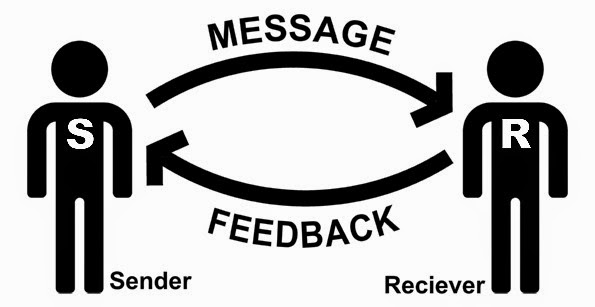
If you’ve ever been in a situation where someone misinterpreted what you said, you’ve experienced a communication challenge. Communication skills can be learned or improved, but the first step is awareness. Listen first to yourself, what you say and how you say it.  Are you choosing the best words for your purpose? What tone are you using and what’s your body language conveying?  You might want to try asking the other person for feedback or to repeat back to you what they heard using their own words. This not only helps you know if you are being clear, it tells you how differently others can interpret your choice of words. You may discover clues to how you can improve your language and other communication skills.  

Second, listening to others is vital to good communication, because it accomplishes the most fundamental communication tenant, which is to know your audience. STOP thinking about what you want to say next, just listen. When you listen intently, you can learn a lot about the other person’s purpose and point of view. This can make it much easier to understand them and in turn communicate back to them successfully. If you find yourself confused or are not comfortable with how you interpret their intent or their conversation, stop and repeat back to them what you heard in your own words. It’s the quickest way to make sure that you both understand each other. Understanding is the common denominator of good relationships.   

Monday, January 26, 2015

Elevating Your Speech.


You may already know that the term “Elevator Speech” refers to the powerful and succinct way you introduce and communicate the value of your expertise in conversation or when presenting yourself professionally. 
Do you know why it’s called an “Elevator Speech”? The scenario to imagine is that you and an influential person you want to impress find yourselves alone together in an elevator. You have only 60 seconds to engage and pique the person’s interest in you. If you aren’t successful, when the doors open you lose the golden opportunity, forever. How do you present yourself, what you do and why they should care in a way that makes them want to continue the conversation?  
Your 60-second speech can change based on where you are and to whom you are speaking, but there are always two important aspects to consider. One, among those who do what you do, what makes you different or special? Two: how can you help the person you are speaking to relate what you do to something of value to them. That second consideration means that your speech needs to be flexible, 
because the most important aspect of communication is to know your audience. Have you ever spoken with a person in a technical profession who uses jargon and terms that are a mystery to you? It’s the quickest way to lose your audience.  Some people really aren’t knowledgeable about the actuarial profession. In that case, you can supplement your explanation with a real-life example. That will help them begin to think about how they might help you. In addition to the explanation, you can then say what makes you and your skills standout from your peers and the impact that has on those you help.  

Taking time to craft your 60-second introduction can really help you on a job interview as well, because knowing and articulating your value is essential to a winning interview. Two more thing to remember: practice your spiel and always be authentic. 

Wednesday, December 3, 2014

How to Find a Mentor 


Before you strike out and look for a mentor, make sure you are clear on why you want and need one. Many people are ready willing and able to help, but the ones who will be good mentors will want to know that you have a clear agenda or need and thatyou are ready to work on it.  
When you can clearly communicate your goals, you are ready to find the right person to help you. If your company has a mentoring program that is a great place to start. If they don’t, you can consider professionals in your industry, people you may have met through associations or networking events. Don’t rule out your neighbors or relatives if they are successfully experienced in the areas you feel you need help with.  

When you approach your choice of mentor, treat your presentation of the idea as a conversation about your challenges and your desires to excel. Presenting both will allow that person to experience your sincerity, and know that you are good a good mentoring candidate. They may even begin to offer ideas on approaching your challenges before you ask for their help.  One reason you may be refused is the mentor’s lack of time. If you can define how much time you are asking for, it might make the difference. A reputable actuarial recruiter can also offer you perspective on industry trends and your professional goals. A good recruiter is one mentoring relationship that can last for your entire career.